
DRINKWARE FOR BUSINESS BUYERS
Drinkware sourcing for wholesale distribution.
Compare the assortment, quantity split, packing and shipment basis together. Give your buying and receiving teams the same clear description of the order.
Brands · importers · retail · business programmes
Updated 21 November 2026
An assortment you can sell on
Source across bottles, tumblers, mugs, plastic drinkware and barware with a clear role for each line. The quantity split, decoration and pack matter as much as the combined order total. A comparable quote makes the goods and included work identifiable for your buying and receiving teams.
Separate supply routes clearly
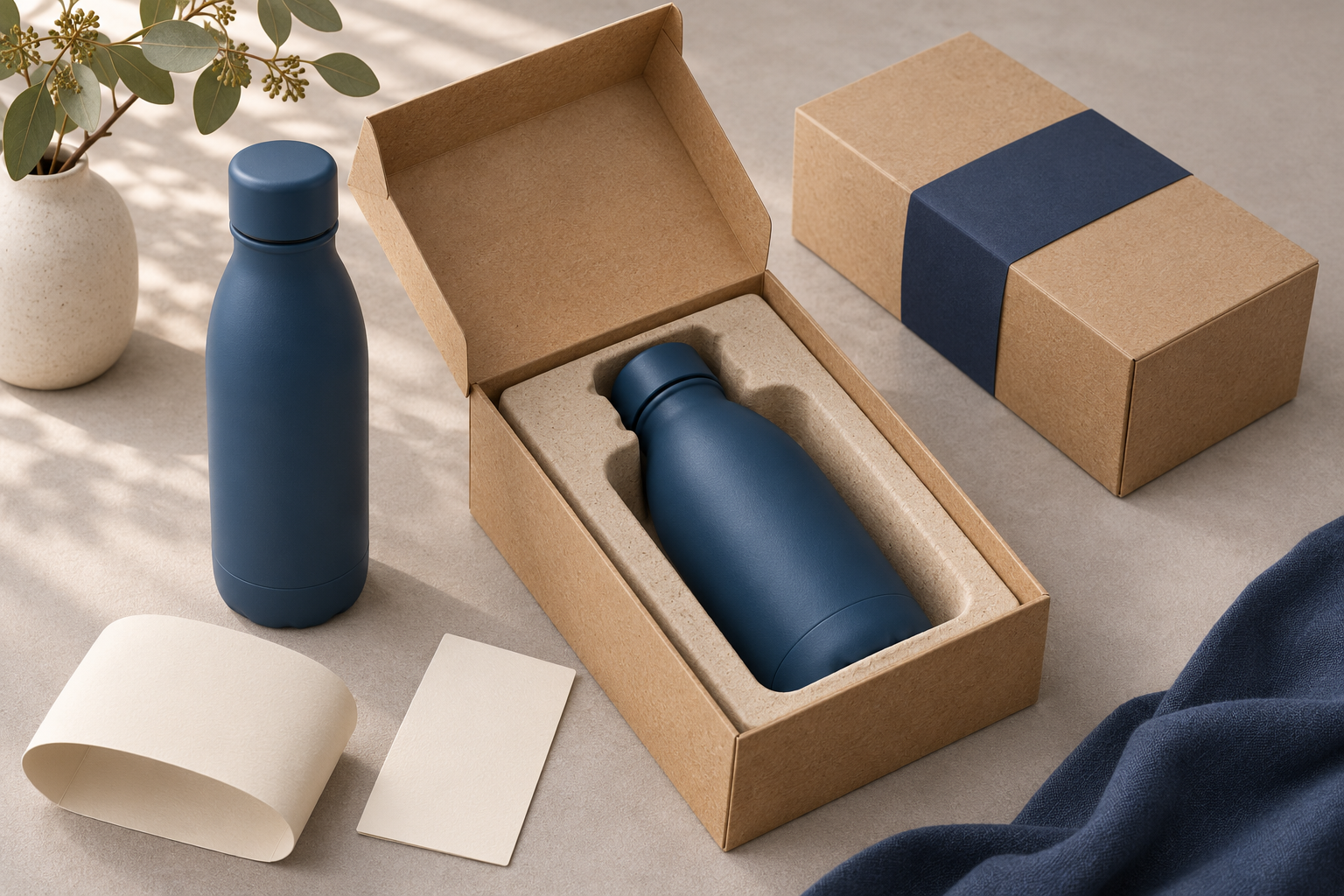
A blank for downstream decoration, a finished private-label item and a gift-packed version represent different purchases. Identify the intended supply state, coating or surface, unit pack and variant quantities before comparing costs. Current availability and commercial terms belong in the actual quotation.
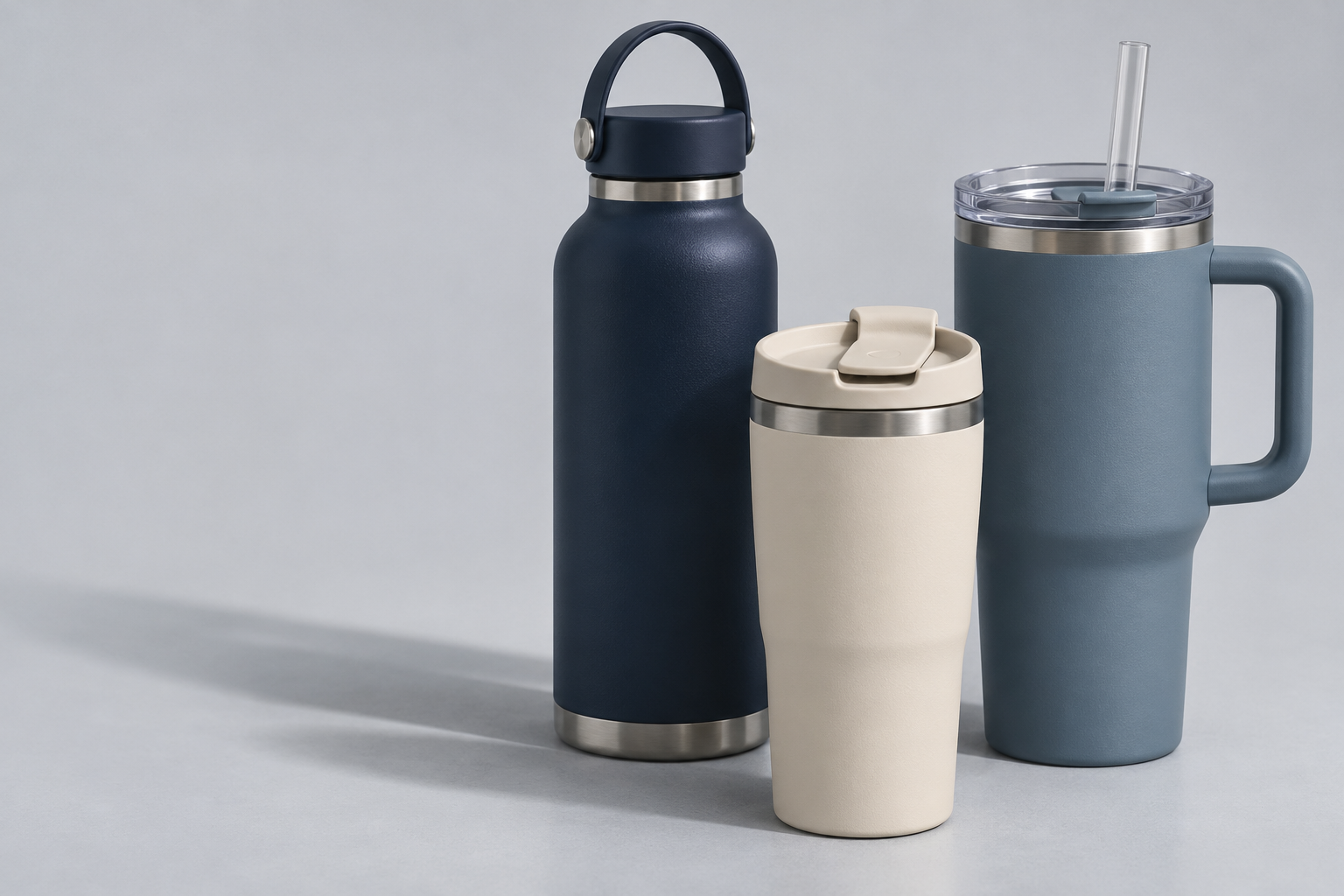
Make the assortment visible in the quotation.
List the quantity for each model, color and artwork version. A large combined total can still include individual variants that need separate setup or quantity review. Blank products, logo-decorated items and retail-packed versions should have distinct descriptions.
If you want several models in one shipment, review the supply and packing scope for the proposed combination. Do not assume that one product minimum, box count or schedule applies to every item. A comparable offer identifies both the common basis and the separate charges.
Plan for receiving and onward distribution.
Your team needs to recognize the item, count the cartons and locate the right version. Unit quantities, carton markings, item codes and the packing list should refer to the same configuration. Any retailer or warehouse instructions should be included before packing is approved.
Shipment comparisons need the same destination, agreed shipping terms and packing assumptions. Dimensions, weights and shipment timing affect the transport scope. A production completion estimate is different from an arrival date at the receiving warehouse.
Compare the complete buying scope.
Use the same assumptions when reviewing alternatives or asking for a revised price.
| Buying decision | What to consider |
|---|---|
| Product and variant split | The named construction, lid and material, with quantity for each color and artwork version. |
| Decoration and unit packing | The process, approved files, included accessories, box and any inserts. |
| Inspection and documentation | The agreed checks, item scope and supporting documents needed for the destination and customer. |
| Shipment and receiving | The shipping basis, destination, carton plan, labels and separately included or excluded services. |
Set up a supply programme your team can repeat.
First assortment
Agree which items are definite and which are still being compared. Review samples and total costs against that short list before building too many versions into the first order.
Multi-customer versions
Keep each customer’s artwork and quantity separate. Where a common body is proposed, confirm which elements can remain shared and which require independent decoration, packing or approval.
Replenishment
Use the previous item code and approved reference, then state changes in quantity, destination or customer requirements. Review current availability and terms instead of assuming the earlier order remains a standing offer.
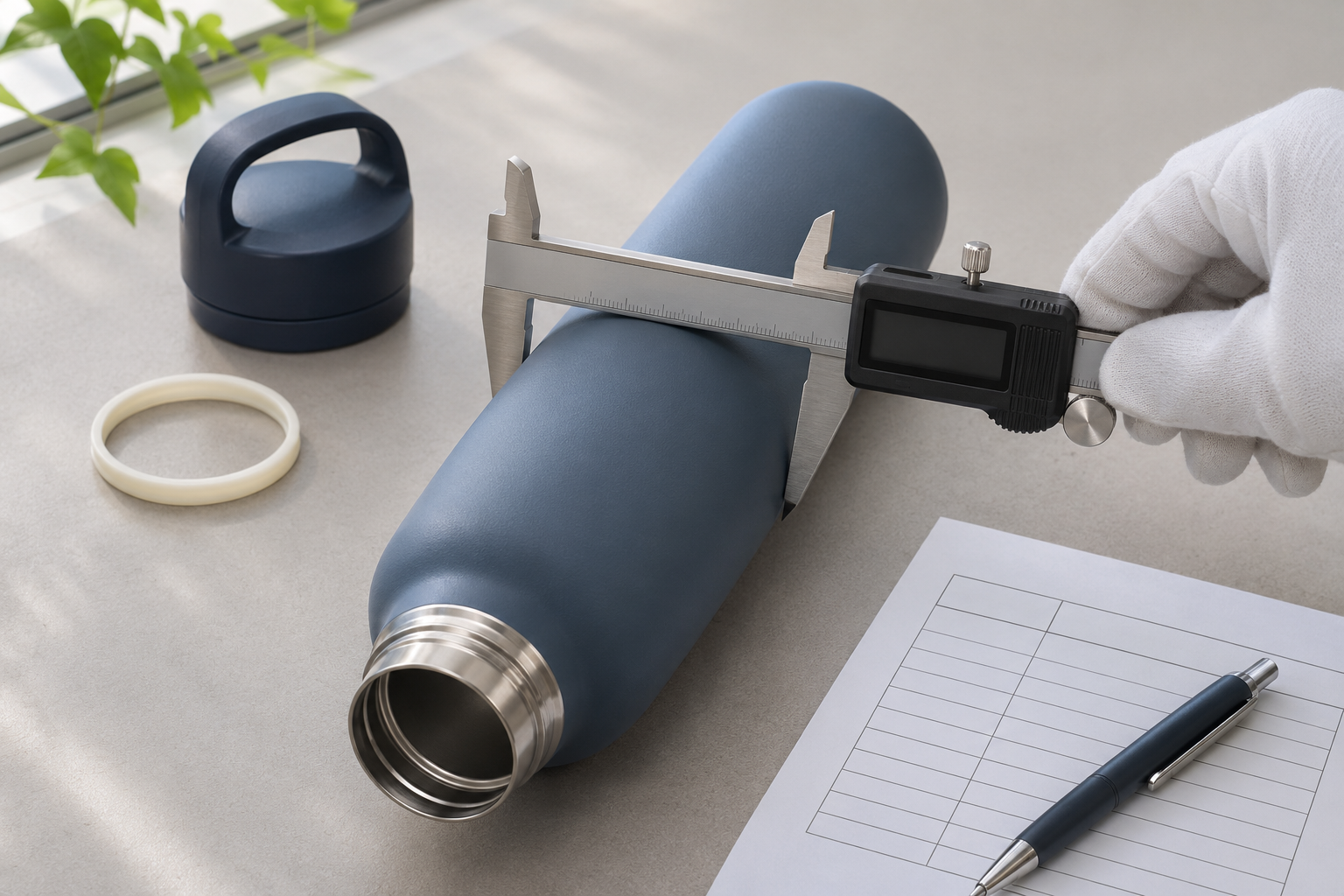
Know what your approval will become the reference for.
The product, artwork and pack should have identifiable revisions. If your customer has an inspection or document requirement, settle the actual scope before accepting the order. Company certificates, product reports and order inspection records answer different questions and should not be treated as interchangeable.
A useful starting point for your order.
You can begin while some choices are still open. These details help make the next product and cost discussion specific to your programme.
- Models, variants and estimated quantity for each
- Blank, decorated or retail-packed supply route
- Destination market and customer document needs
- Unit pack, master-carton and receiving instructions
- Required arrival window and anticipated reorder pattern
Control a repeatable trade item across customers
A wholesaler buys a repeatable configuration that downstream customers can identify and use. The important questions are body and component consistency, variant quantities, receiving condition, carton contents and the responsibilities assigned to any downstream decorator. A plain blank, a branded retail unit and a mixed functional shipment need different handoffs.
| Buying decision | Question to resolve | Useful outcome |
|---|---|---|
| Trade item identity | Which body, lid, coating and accessories define the offer? | Use fixed references and identify proposed substitutions. |
| Downstream branding | Who supplies artwork, qualifies a process and approves the result? | Separate blank-condition acceptance from decoration acceptance. |
| Mixed orders | Which variants and customers appear in each carton? | Agree contents, identifiers and any permitted mix. |
| Import handoff | Who receives which records and packing data? | Use destination and receiving requirements from the actual buyer. |
| Repeat supply | How are changes reported before the next order? | Keep component and packing revisions visible. |
Procurement situations in this market
These examples describe buying situations and are not completed customer case studies. Open the product programme for the full order brief, sample focus and risk for each situation.
Importer or regional distributor
A distributor replaces a discontinued bottle
Existing customers need a replacement for an unavailable format.
Product route. Stainless steel water bottles
Drinkware distributor
A wholesaler consolidates an unbranded order
Several trade customers need a plain refill bottle for later branding.
Product route. Single-wall stainless steel bottles
Import buyer
A distributor compares transparent bottle materials
Customers ask for a named copolyester rather than unspecified plastic.
Product route. Plastic and motivational time-marker bottles
Sports accessories importer
A distributor supplies gym and nutrition accounts
Multiple customers want the same body with different logos.
Product route. Protein and fitness shaker bottles
Trade print supplier
A print distributor buys plain plastic cups
Downstream customers need a consistent cup for approved decoration.
Product route. Plastic straw, acrylic-style and glitter tumblers
Trade distributor
A wholesaler supplies gift-set assemblers
Downstream packers need consistent mini vessels.
Product route. Shot cups and mini tumblers
Trade blank wholesaler
A blank distributor builds repeat supply
Trade customers need an identifiable blank across multiple orders.
Product route. Sublimation-ready handled tumblers
Import distributor
An importer reviews a mixed functional shipment
A repeat programme includes functional and non-functional drinkware.
Product route. Speaker and functional sublimation tumblers
How the buying brief changes the decision
A distributor supplies the same undecorated bottle to several print customers. The body, lid and surface are held to identified references, while customer artwork remains outside the blank order. A second line is a speaker tumbler: its module, accessories and transport requirements are separately reviewed. The distributor does not assume that the ordinary bottle’s packing and shipment assumptions cover the functional line.
Illustrative procurement situation; no named client, completed order or performance result is claimed.
Plan the handoff and the next order
Build the enquiry around quantities by variant and the receiving plan. A mixed trade order may need more identification work than a single-SKU purchase. Replenishment should begin from the accepted configuration and current requirements, with alternatives shown separately when a component changes.
Questions for your buying team
Can different models travel in the same shipment?
The proposed assortment, quantities, availability and packing need to be reviewed together. Any separate minimums or scheduling constraints should be visible in the quotation.
Can we buy unbranded units?
Identify the requested model, quantity and packing arrangement. Blank supply and availability are confirmed for that item; a general wholesale page is not a live stock list.
Can each retailer have its own artwork?
Provide a distinct artwork version and quantity for each customer. Review decoration, packaging and approval requirements for each version.
Can you quote a delivered cost?
A meaningful transport scope needs the destination, shipment basis and confirmed packing information. The quotation should state the services and charges included, along with its validity and assumptions.
Can we distribute your brand?
The current site describes project sourcing rather than a published brand-distribution programme. Any branded distribution, territory or exclusivity arrangement needs a separate commercial discussion.
More specific buying requirements?
Compare listed models for the buying brief
Use an identifiable model reference when comparing quantities, artwork, samples and the completed pack.
- LT Vacuum Water Bottles (350 ml, 550 ml, 750 ml).
- BB Handled Straw Tumblers (30 oz, 40 oz).
- MK Insulated Handle Mugs (14 oz, 16 oz, 25 oz, 32 oz).
Bring the programme into focus.
A reference product, sketch or image can start the discussion. Include who the item is for, the quantities you are considering and any required arrival window.