
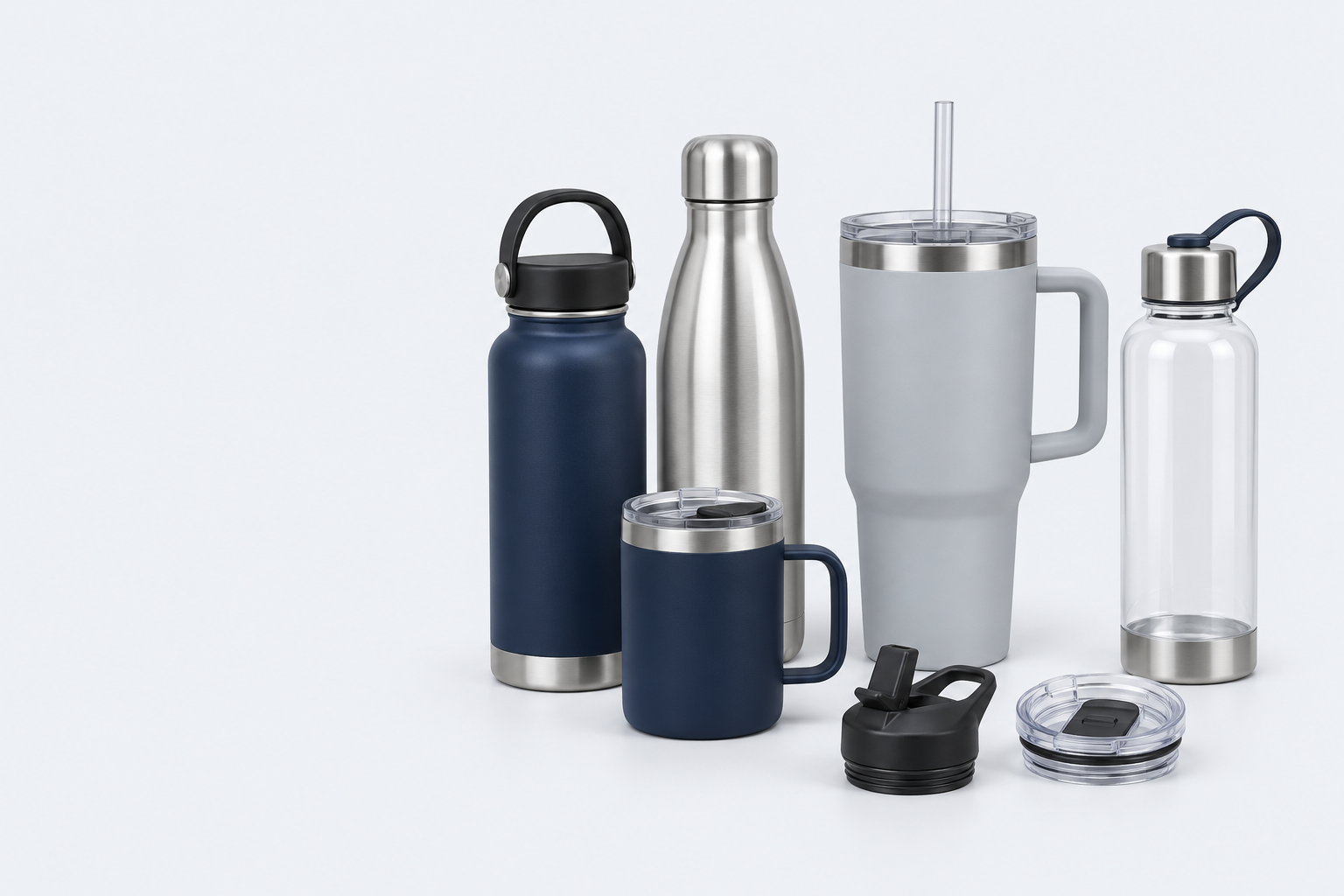
BRANDING & FINISH
Branding & Customization
Specify colors, finishes and branding positions so your drinkware and packaging form a consistent collection.
Colours, decoration and packaging you can specify
The examples below show the customisation options in our drinkware catalogue. Choose the body first, then define the colour, artwork, finish and completed pack.
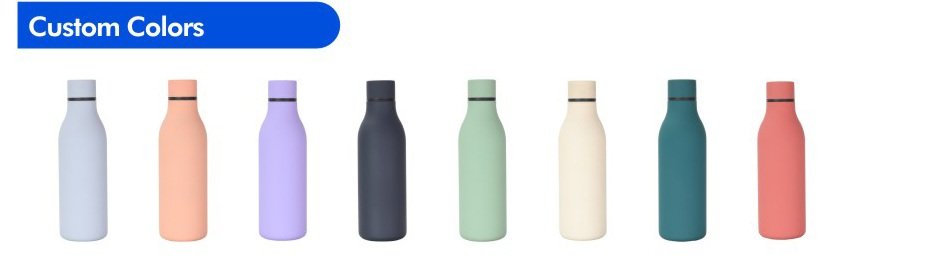
Body colours
Start with the model and a physical or named colour reference. Keep the accepted colour and finish attached to the approval sample.
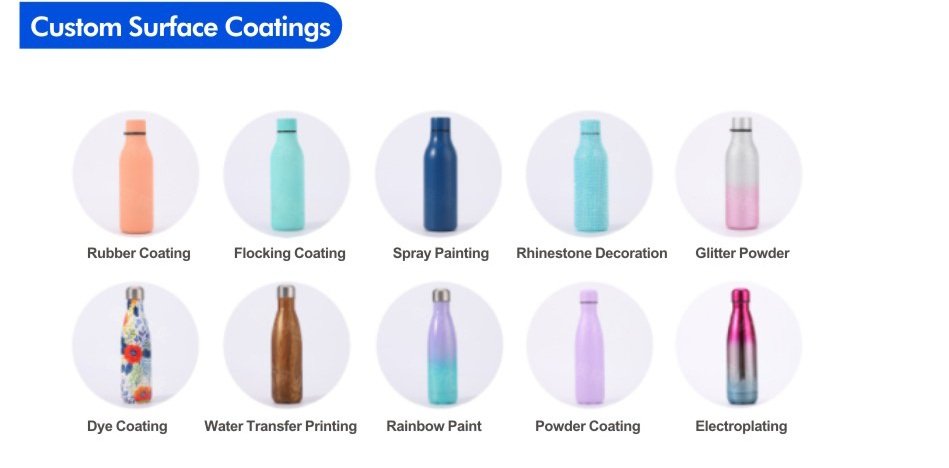
Surface coatings and textures
The catalogue shows rubber coating, flocking, spray painting, rhinestone decoration, glitter, transfer finishes, powder coating and electroplating examples. Review the selected treatment on the actual body before release.
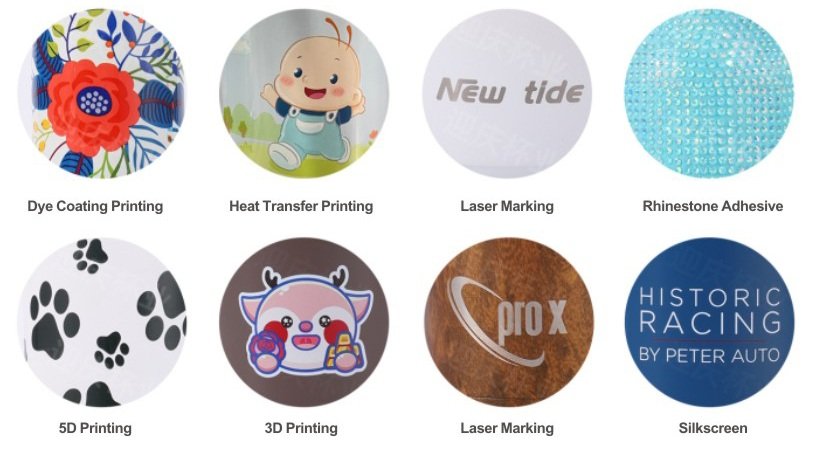
Printing, transfer and marking
The examples include transfer printing, laser marking, screen printing and raised decorative effects. Send the artwork, print size and position so the method can be reviewed for your selected surface.
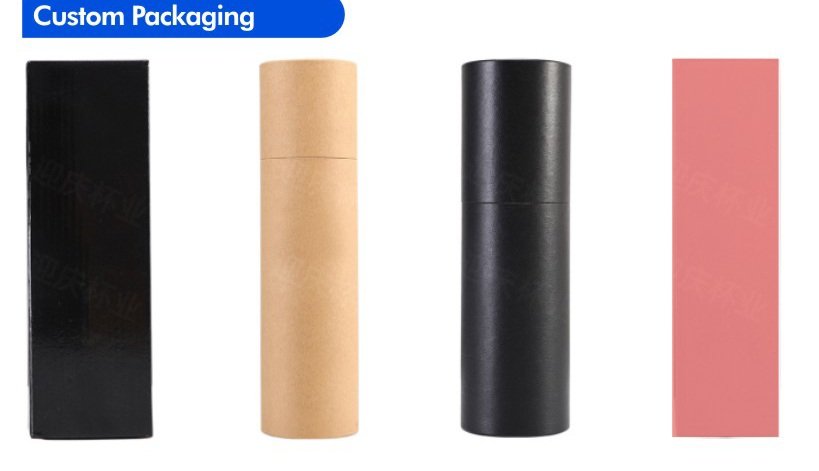
Box and tube packaging
Compare a box or tube against the completed item, artwork and included contents. Confirm the dimensions, inserts, unit presentation and final outer-carton arrangement with the quotation.
Minimum order: 500 units. Custom body development starts at 3,000 units. Mixed models and colours are confirmed with the quotation.
Prepare the design brief · Review the approval sample · Request a custom drinkware quote
PROJECT OVERVIEW
Branding & Customization
A successful decoration brief explains how the product should look, where it will be handled and which surfaces need to match. Include artwork, dimensions, color references and acceptable appearance criteria.
Different materials, shapes and finishes can produce different visual results. Review an actual decorated sample rather than relying on a screen rendering as the final color or surface reference.
Define the Project Scope
Turn the brief into a set of reviewable decisions.
Color & Surface Brief
Define the required color reference, gloss level, texture and coating coverage. Identify contact, sealing or sliding surfaces that need special attention.
Logo Application Review
Discuss printing, engraving or other available decoration methods for the selected material and shape. Define artwork size and positioning.
Collection Consistency
Review body, lid, accessories and packaging as one set. Confirm how color variation and artwork revisions will be handled.
A Clear Route From Brief to Order
01
Share Your Brief
Send product references, quantities, artwork and the target market. Mark open decisions clearly.
02
Align the Specification
Review the product, components, decoration, packaging and inspection requirements.
03
Approve the Sample
Record the agreed sample revision, artwork and any conditions before production.
04
Plan the Order
Confirm quantities, commercial terms, packing and shipment requirements.
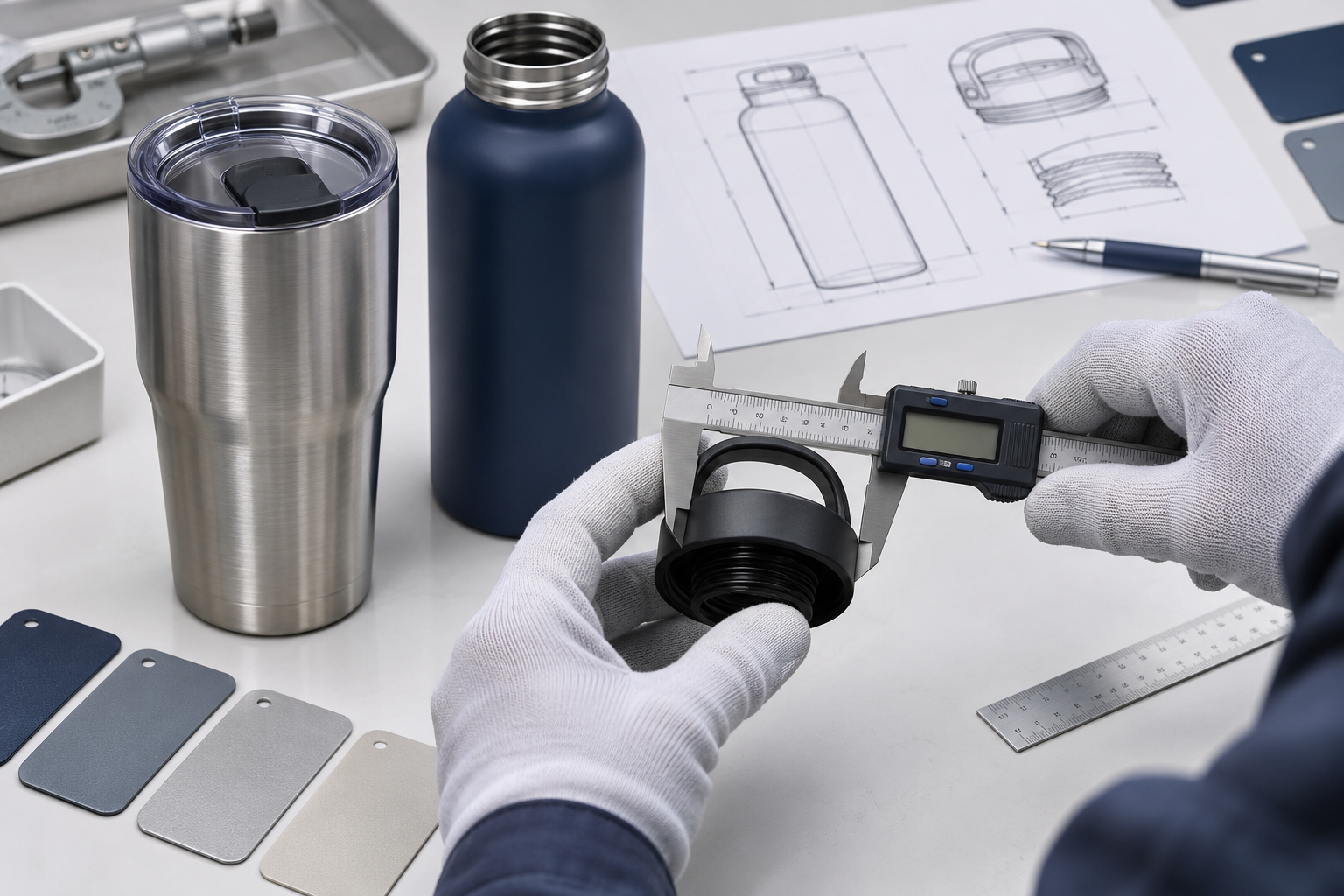
ENQUIRY CHECKLIST
What to Prepare for Review
A complete brief helps the product, development and commercial requirements stay aligned. Include references and mark anything that is still to be decided.
- Vector logo and approved text
- Color reference and physical sample if available
- Artwork dimensions and placement
- Surface finish and appearance criteria
- Packaging artwork and barcode files
- Approved decorated sample
Project Questions
Can a screen color be used as the only reference?
Screens and lighting affect the way colors appear. A named color reference and, when practical, a physical sample provide a clearer basis for review.
Which logo method should I choose?
The choice depends on the material, finish, artwork detail, position and intended appearance. Ask for a method recommendation for the specific product rather than applying one method to every surface.
Can the lid and body be exactly the same color?
Different base materials and surface processes can appear different even when they use the same color reference. Review the assembled sample and agree acceptable variation.
What happens when artwork changes?
Give each revision a clear identifier and replace superseded files. Changes after sample approval may require new artwork preparation, samples or schedule review.
Choose the decoration method around the actual artwork
Laser, ink, digital or transfer routes solve different appearance briefs. Bring the actual artwork, intended dimensions, surface and item to the discussion. A generic custom-logo offer is not enough to compare a one-color mark, a full wrap, a name list and a newly developed component.
| Customization request | What changes | Approval focus |
|---|---|---|
| Laser-engraved mark | Visual contrast and detail on the selected substrate or coating. | Actual mark size, position, orientation and result. |
| Screen-printed artwork | Ink colors and positions on the actual printable surface. | Color, detail, registration where applicable and accepted appearance. |
| Digital or transfer decoration | Image layout, shape, printable limits and process compatibility. | Decorated sample, wrap boundary and care basis. |
| Personal names or numbers | A controlled data set and version routing. | List accuracy, proof basis, spares and handling of errors. |
| Custom color or effect | Affected materials and visible parts across the assembly. | Physical references and accepted assembled appearance. |
| New lid, handle or shape | An interface or structure rather than only a graphic. | Development scope, fit, function and any tooling decision. |
Prepare artwork for the item you are ordering
Use the final authorized artwork and record the desired size and position on the actual body. Editable source files help preserve shapes and wording, but the production method may need its own preparation and review.
For a wrap, check seams, taper, handles, edges and any areas that cannot carry the design. For several capacities, approve placement and scale for each rather than assuming one template fits all.
Example: brand-color artwork versus a metallic mark
A client asks for its multicolor logo but receives an engraved appearance proposal. Compare that metallic or substrate-contrast result with a printed option on the actual finish. Choose the intended visual outcome before approving the process and cost scope.
Specific questions about this decision
Does changing a logo position require tooling?
Not automatically. Review the actual method and physical access; a structural change is a different scope.
Can a printed mark establish dishwasher suitability?
The relevant cleaning claim needs a basis for the selected complete article and method; appearance alone cannot establish it.
Continue with the next decision
Model references for this enquiry
Choose the body before finalising artwork size, position, colour and packing.
- LT Vacuum Water Bottles (350 ml, 550 ml, 750 ml).
- BB Handled Straw Tumblers (30 oz, 40 oz).
- MK Insulated Handle Mugs (14 oz, 16 oz, 25 oz, 32 oz).
Ready to Discuss Your Drinkware Project?
Bring your product references, estimated quantities and requirements into one brief.