
BUYER GUIDE
Buying functional drinkware
Compare mechanical holders, filters, press mechanisms and speaker modules, with feature-specific sample checks, instructions, packing and support scope.
Updated 21 November 2026
A cup and a functional module are one purchase
An online seller, gift buyer or brand evaluating a speaker or other electronic tumbler needs to understand both parts of the item. Appearance, capacity and decoration remain relevant, but the exact function and included components introduce a separate sample and documentation review.
Identify the complete configuration
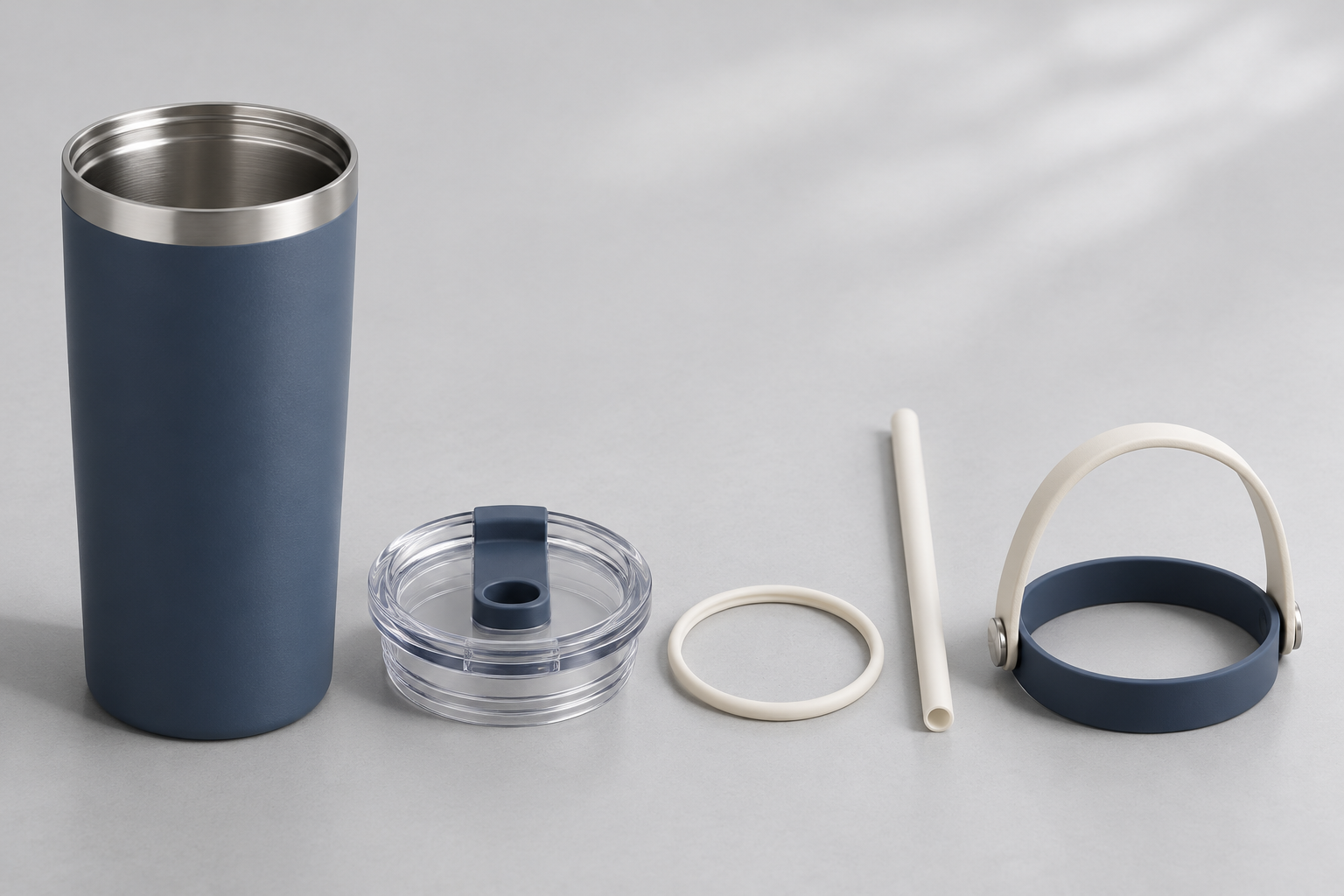
Name the body, closure, module, attachment method and all included accessories. Confirm whether the module is removable and what information applies to that arrangement. A similar shell or a feature name does not establish identical components or operation.
The supplier’s model information should describe the function, intended operation and any stated limits. Keep the relevant model and revision with the quote, sample and purchase records so later changes can be identified.
Prepare the product for its channel
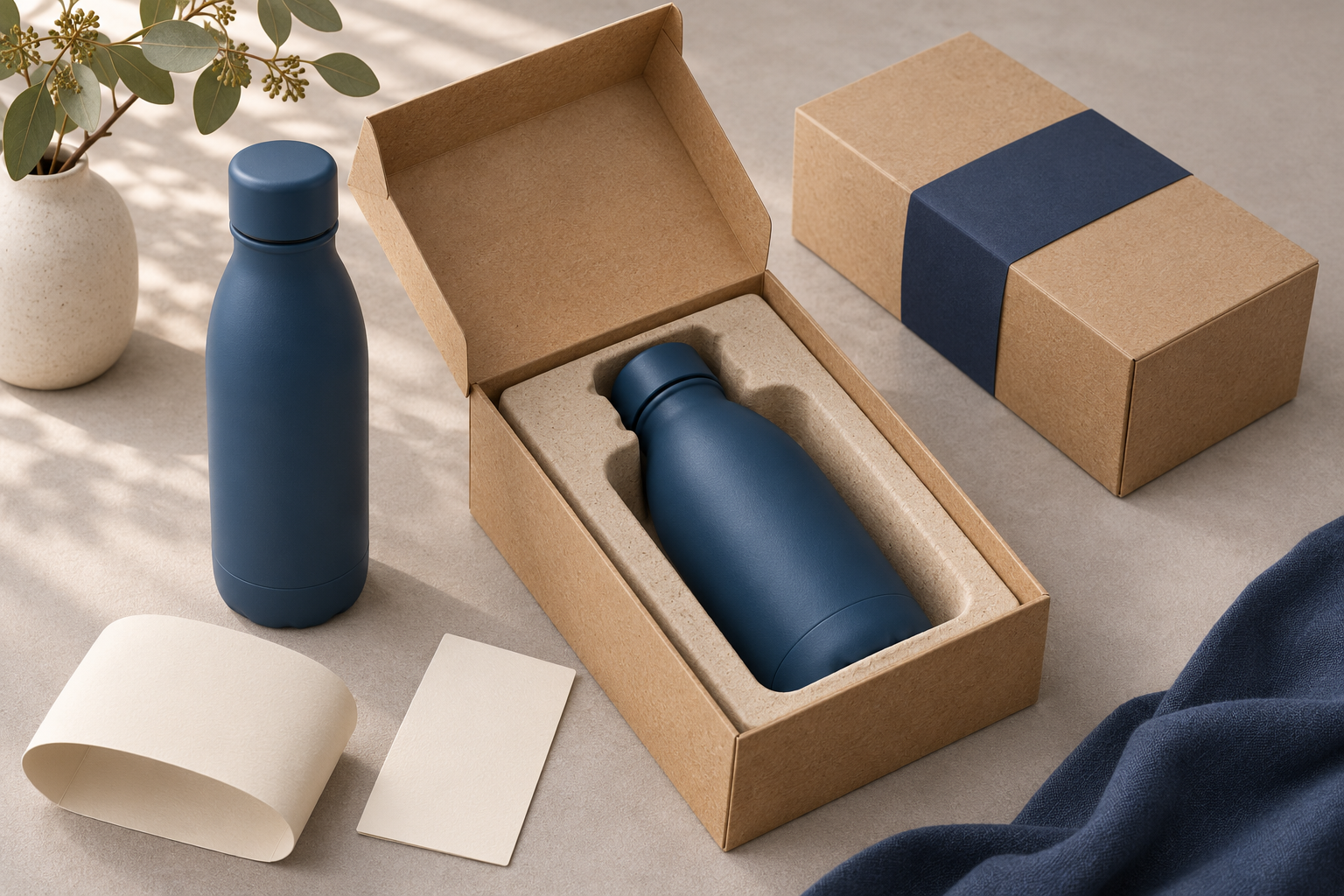
The completed pack should identify the correct configuration and include the agreed instructions and accessories. Product claims, listing images and contents should describe the same version, particularly where detachable parts or more than one functional option are available.
Ask what handling, storage and transport information applies to the actual module. Battery status, charging components and shipment requirements must be determined from the real construction rather than assumed from the general product category. This guide does not provide a shipment approval.
Choose the buying situation
| Buying situation | What your team needs to settle |
|---|---|
| Product and function | The named module, operation, included parts and model-specific instructions. |
| Sample acceptance | The features and conditions to assess, accepted appearance and recorded exceptions. |
| Cleaning and handling | The treatment of the body, lid and electronic parts, including any required removal steps. |
| Market and transport records | The product and destination requirements identified for the actual construction and shipment. |
| Support and repeat orders | The issue-reporting route, agreed responsibilities and compatibility of replacement or revised parts. |
Use the sample to settle real questions
The claimed function
List what the buyer expects the module to do and what is actually demonstrated. Record any conditions, limits and open questions instead of approving a feature name alone.
The complete user experience
Review attachment, controls, provided instructions, accessories and the handling sequence. Your sample record should make clear which configuration was accepted.
The evidence behind the statement
Where a claim needs measured results or supporting documents, identify the actual product, method and scope. A record for a different module or ordinary cup is not interchangeable.
Check documentation by construction and market
Electronic features may introduce requirements that ordinary drinkware documents do not address. Identify the actual construction, destination, channel and shipment before agreeing the records required. Do not treat a broad certification logo, generic document list or the existence of a speaker category as proof that every model is suitable for every market.
Agree support before the order
Define how concerns will be reported, what product and revision information should accompany them, and which commercial responsibilities apply. Warranty periods, replacement arrangements, spare modules and repair support should be stated for the actual project. No universal warranty or replacement promise is established by this guide.
- Exact function, module and complete assembly
- Included accessories and product instructions
- Sample checks, conditions and accepted version
- Intended market, sales channel and destination
- Agreed issue handling and repeat-order references
Separate mechanical features from powered modules
The functional range includes different tasks: magnetic phone support, a press or filter mechanism, and speaker modules. The smart label does not establish one shared feature set. Identify what the selected item actually does and build the acceptance around that function.
| Feature | Sample review | Important boundary |
|---|---|---|
| Magnetic phone holder | Attachment, intended device/case, support angles, filled-bottle balance and drinking access. | Do not infer electronics, an app or universal device compatibility. |
| Press or filter mechanism | Complete preparation, movement, drinking, disassembly and cleaning. | A normal mug appearance approval does not cover the mechanism. |
| Speaker module | Actual module, attachment, operating method, accessories and defined connectivity where applicable. | Do not infer battery, rating or features from a category name. |
| Sublimation body plus module | Blank coating, decoration handling and function after the agreed assembly process. | Do not assume the whole module can enter a heat-transfer or wash process. |
| Transport and support | Actual power arrangement, destination, carrier and agreed issue-reporting route. | Ordinary cup shipping and warranty assumptions may not cover this configuration. |
Build a feature-specific acceptance record
For a phone holder, record the device and case used in the check and the intended placement. For a speaker, identify the module and accessories as supplied. For a press tumbler, show the complete mechanism and use routine. Each review should say what passed and what remains open.
Keep the actual product instructions alongside the acceptance record. A feature demonstrated in a marketing clip may require an adapter, assembly step or use condition that is not obvious in the clip.
Define the handoff after decoration or assembly
If the functional part is removed for printing, document the authorized process and reassembly steps for that exact item. Inspect the decorated body and the functional result rather than assuming one check covers both.
For a changed module, review instructions, pack contents, product claims, relevant documents and transport scope. A visually identical outer body does not make a functional revision the same product.
Example: a magnetic holder is described as smart
The selected item has a magnetic phone-support lid. The buying brief names that function, intended device assumptions and sample checks. The listing does not add temperature sensing, an app or a battery because none has been established. This produces a clear customer proposition and an acceptance task the buyer can actually perform.
Specific questions about this decision
Does a functional feature always require electronics?
No. A holder, filter or press can add a mechanical function. Review the actual construction.
Can a speaker tumbler be washed as a complete unit?
Use the exact product instructions and supported cleaning scope. Do not assume a body’s care statement covers the module.
Can a supplier change the module without another review?
Use the agreed change process and examine affected operation, accessories, instructions, documents, packing and transport.
Continue with the next decision
Questions before you order
Does the word Bluetooth describe the whole product?
No. The actual module, function, operation, assembly and included parts need to be identified. Keep those details attached to the model and sample under review.
Can ordinary drinkware care instructions cover electronic parts?
Only the information for the exact configuration should be used. Confirm treatment of the body, lid and module, including any removal or separation steps.
Can the electronic module be replaced later?
Compatibility and supply depend on the specific module and attachment revision. Spare-part availability and any replacement process need a project-specific agreement.
What should the quotation include?
The named product and module, quantity, decoration, included accessories, instructions, packing and separately agreed review or supporting work.
Can I assume a standard warranty?
No. Duration, scope, exclusions, reporting steps and possible remedies must be confirmed in the applicable commercial arrangement. Keep the agreed terms with the product revision.
Compare listed functional constructions
Use the listed construction as a starting reference, then identify any different function or component the enquiry requires.
- LT3 Dual Chamber Bottles (400 + 400 ml).
- LD Locking Lid Sports Bottles (400 ml, 550 ml, 800 ml).
- TSH Handle Lid Sports Bottles (12 oz to 64 oz).
Bring the programme into focus
Start with the recipient or sales channel, a reference item and your quantity plan. Include the details that matter and any required arrival window.