
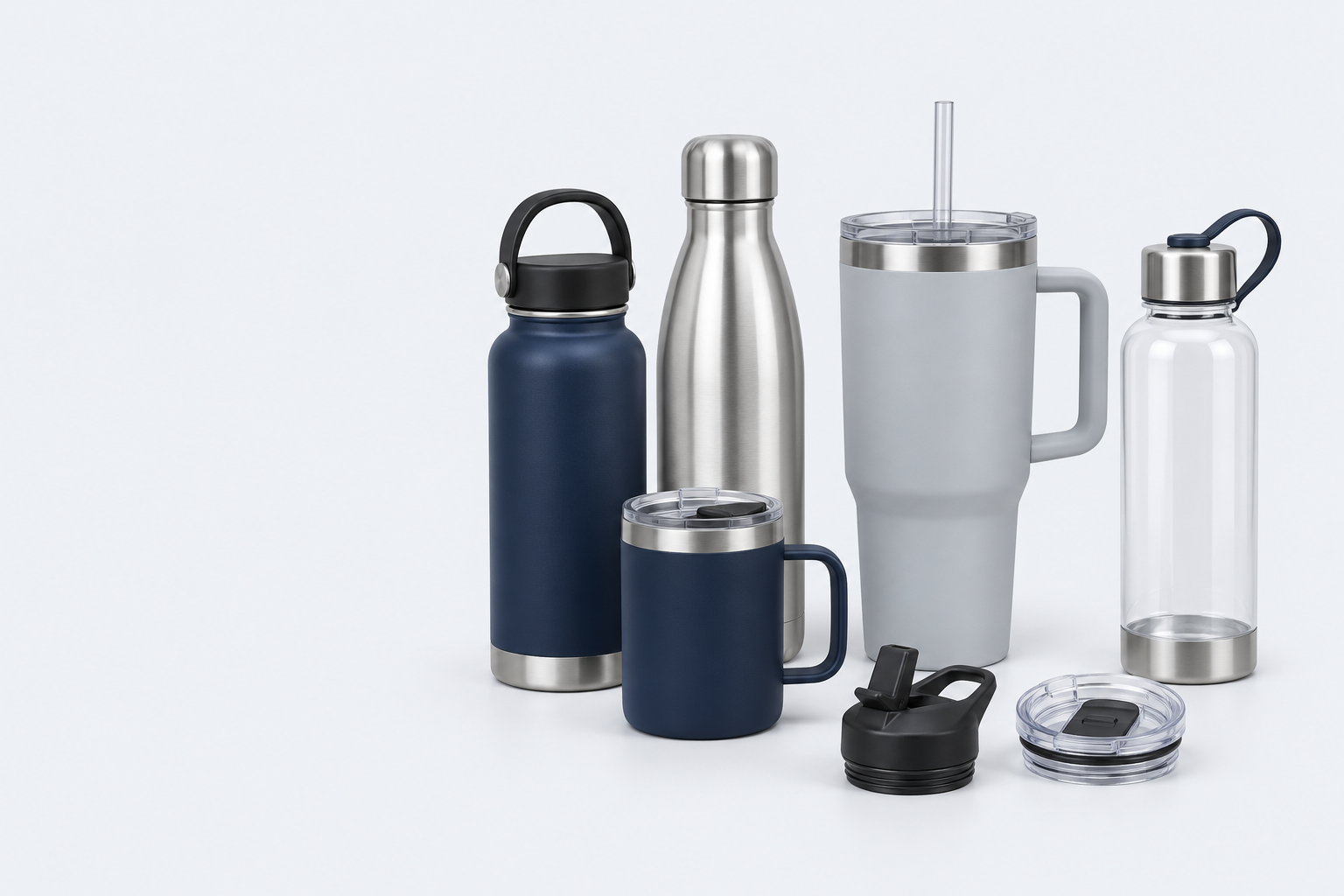
APPEARANCE & DECORATION
Surface Finishes
Compare appearance options and prepare a clear brief for color, texture, branding and sample approval.
Appearance Options to Discuss
Availability and suitability are confirmed for the selected product and order scope.
Powder-Coated Appearance
Discuss the required color, texture and gloss level for the selected product. Review coating coverage and appearance against a decorated sample.
Painted Appearance
Define color references, coverage and finish expectations. Confirm suitability and the agreed surface review for the specific construction.
Printed Branding
Review artwork detail, number of colors, print position and the available surface area. Approve the final result on the product.
Laser-Marked Branding
Discuss artwork, position and the desired contrast on the selected material and finish. Review a sample before applying the artwork to the order.
Metal Surface Appearance
Use a physical reference to communicate polished, brushed or other required metal appearance. Specify the visible surfaces that need to match.
Packaging & Accessories
Carry the brand identity through the lid, accessories and packaging. Review the assembled set because different materials may appear different.
CUSTOMIZATION BRIEF
Make the Reference Unambiguous
Provide the visual references and artwork files together. Mark where each finish or graphic belongs and identify the surfaces that need to match.
Screen previews are useful for layout, while a decorated sample provides a stronger reference for the physical result. Record the approved version before production.
- Color reference and physical sample where available
- Texture and gloss expectations
- Artwork files, size and position
- Coverage and visible-surface requirements
- Accepted variation and review conditions
Compare the finish before approving the color
A color reference tells the team what to aim for; a decorated assembly shows what the customer will receive. Review the body, lid, handle and accessories together under an agreed viewing condition. Color, texture, gloss, marking and care resistance are separate decisions.
| Finish or decoration route | Useful buying question | What to approve |
|---|---|---|
| Powder-coated or painted appearance | Does the selected coating produce the texture and appearance intended for this body and artwork? | An actual surface reference, accepted appearance variation and relevant care information. |
| Metallic, gradient or translucent effects | Where does the effect change across the shape and how does it appear beside other range items? | The complete assembled sample under a consistent viewing condition. |
| Laser marking on a coated surface | What visual contrast and mark detail result on the actual coating and base material? | Mark size, orientation and contrast on the selected product. |
| Ink printing or full-color decoration | Does the artwork, surface and shape support the required colors and layout? | A decorated sample including any wrap limits and relevant care assessment. |
| Glitter, rhinestone and embellished options | What are the handling, appearance and protective-packing requirements of the actual finish? | The decorated unit, product information and pack that protects the exposed surfaces. |
A matching color can still look different
A metal body, plastic lid and silicone part can appear different even when they use the same nominal color reference. Decide which visible surfaces matter most and judge the assembled result. Keep accepted samples identifiable rather than approving isolated photographs.
If several capacities form a collection, review each shape and finish. A gradient or wrap can shift visually as the circumference and proportions change. The artwork and appearance reference should identify the item to which it applies.
Decoration method and artwork need to be chosen together
Laser etching, screen printing and digital or transfer routes create different visual results. The correct question is whether the selected process achieves your design on the actual surface. A metallic-looking laser result does not reproduce a multicolor logo in the same way as printed inks.
Bring the real artwork, intended mark dimensions and preferred position to the sample discussion. Ask which details need adjustment on the chosen process and which tests support the intended cleaning or wear claims. Do not borrow another supplier’s minimum line widths or durability promises.
Example: one brand color across three products
A range uses one color reference on a coated bottle, a plastic lid and a straw. The buyer approves the assembled appearance and records the accepted differences between materials. A later order changes the lid resin: the old reference remains useful, but the visible result needs another review. A shared color name cannot approve the changed component by itself.
Specific questions about this decision
Should the quote say only custom color?
A useful quote identifies the surface, effect, reference, affected parts and the sample used for approval.
Is laser always better than printing?
They solve different artwork and appearance briefs. Compare the actual result, surface, care requirements and cost scope.
Does a physical sample guarantee all later pieces look identical?
The order still needs accepted variation, process control and an identifiable reference. A sample without an agreed comparison basis leaves the tolerance unclear.
Source notes and further reading
Sources explain the referenced material or guidance. They do not certify our company, an unreviewed product or a particular order.
Continue with the next decision
Model references for this enquiry
Send the body reference with the artwork so the finish and print position can be reviewed together.
- LT Vacuum Water Bottles (350 ml, 550 ml, 750 ml).
- BB Handled Straw Tumblers (30 oz, 40 oz).
- MK Insulated Handle Mugs (14 oz, 16 oz, 25 oz, 32 oz).
Ready to Discuss Your Drinkware Project?
Bring your product references, estimated quantities and requirements into one brief.