
FORMING, FINISHING & ASSEMBLY
Custom drinkware manufacturing.
Understand what your finished order includes, which choices affect the cost and what should be approved before production.
Brands · importers · wholesale · business gifting
Updated 21 November 2026
What should your finished order include?
You are buying a finished item for a customer or sales channel. The body, lid, decoration and packing need to be considered together, so you can judge the product and understand the complete order cost.
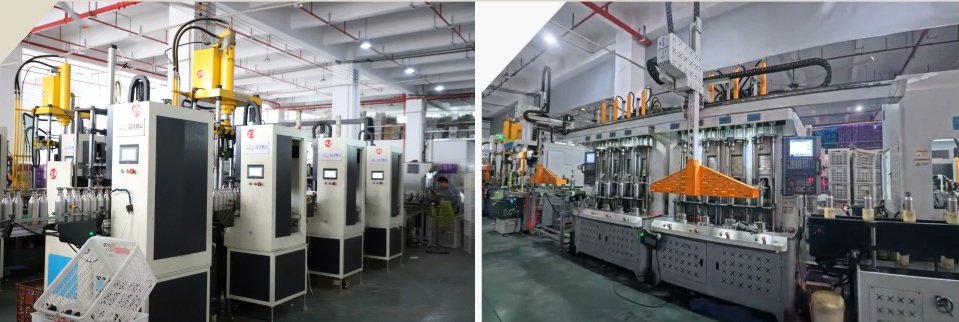
Inside the drinkware production workshop
The equipment below is shown in our company production overview. For your order, agree the selected body, lid, surface treatment and packing before setting the sample and production plan.
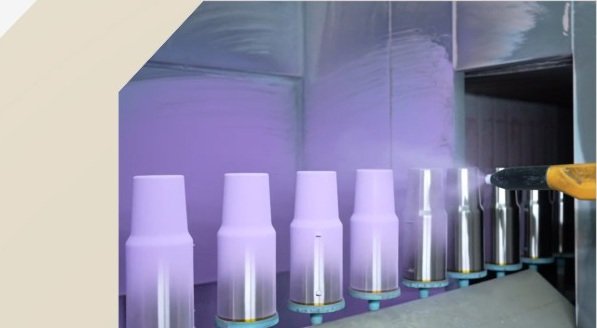
Spray coating
The production overview shows a spray line with drinkware bodies. Give the colour and finish reference with the selected model so the sample can identify the required treatment.
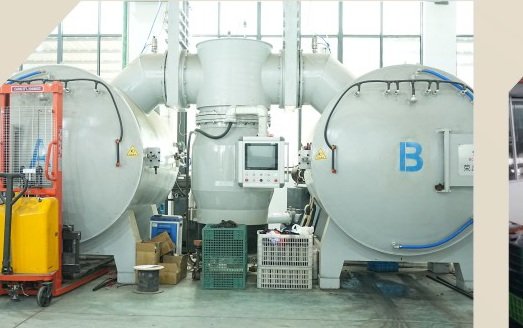
Vacuum processing
The workshop overview includes vacuum processing equipment. Keep any insulation requirement tied to the selected construction, capacity and lid.
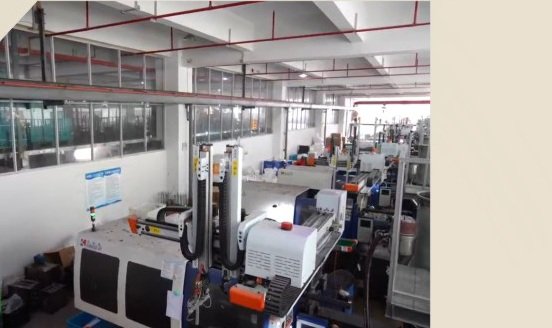
Cap injection moulding
Cap injection equipment is shown in the workshop. Identify the lid and its component references when reviewing a new cap, fit or assembly.
Automatic cup manufacturing
The production line forms part of the manufacturing overview. Use the exact item, quantity and completed packing when discussing the production schedule.
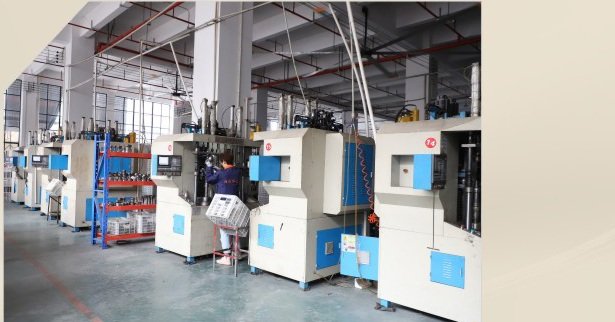
Tube necking
Tube necking equipment is shown for body forming. Submit the neck, opening and lid requirements together if the proposed body differs from an existing model.
Compare current models · Discuss a new body or component · View the factory overview (PDF)
Buying for a particular market or sales channel?
Review the requirements for outdoor, fitness, coffee, hospitality, online retail and organization programmes before deciding how the order should be configured.
Need a new shape, lid or component?
Tooling development has its own scope, investment and approval stages. Review it separately from branding an existing model or placing a production order.
PRODUCT SELECTION
Will it work for your intended buyer?
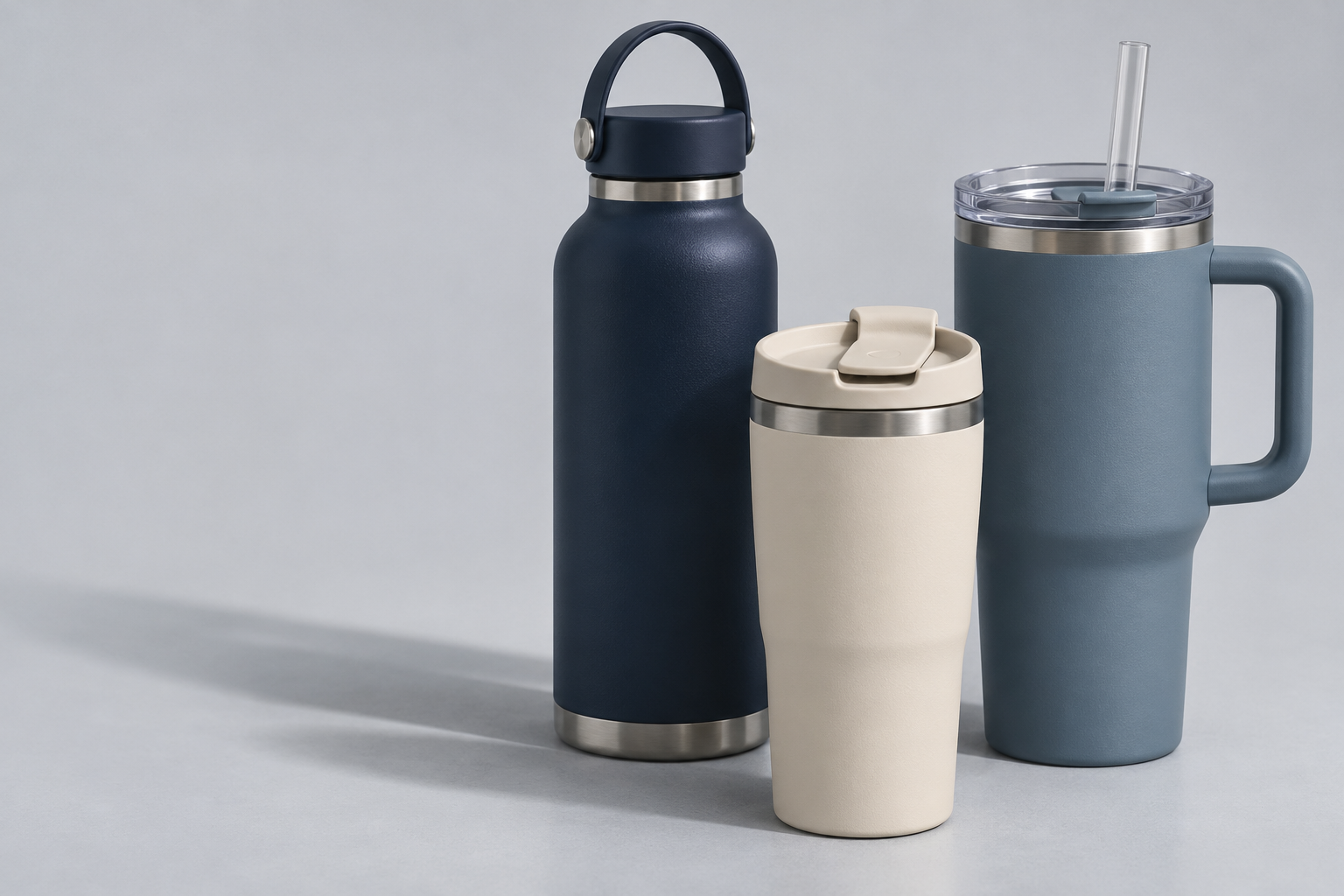
A desk mug, a bottle carried in a bag and a handled tumbler serve different routines. Capacity, size and the opening style should suit the use you are buying for, including any features your customers will expect.
A sample lets you judge grip, balance, lid operation and surface feel. It also gives you a practical way to check dimensions that must fit your shelf, holder or existing pack.
- Capacity and size constraints
- Body, lid and accessory combination
- Material and finish requirements
COMPONENTS
Which changes affect the whole product?
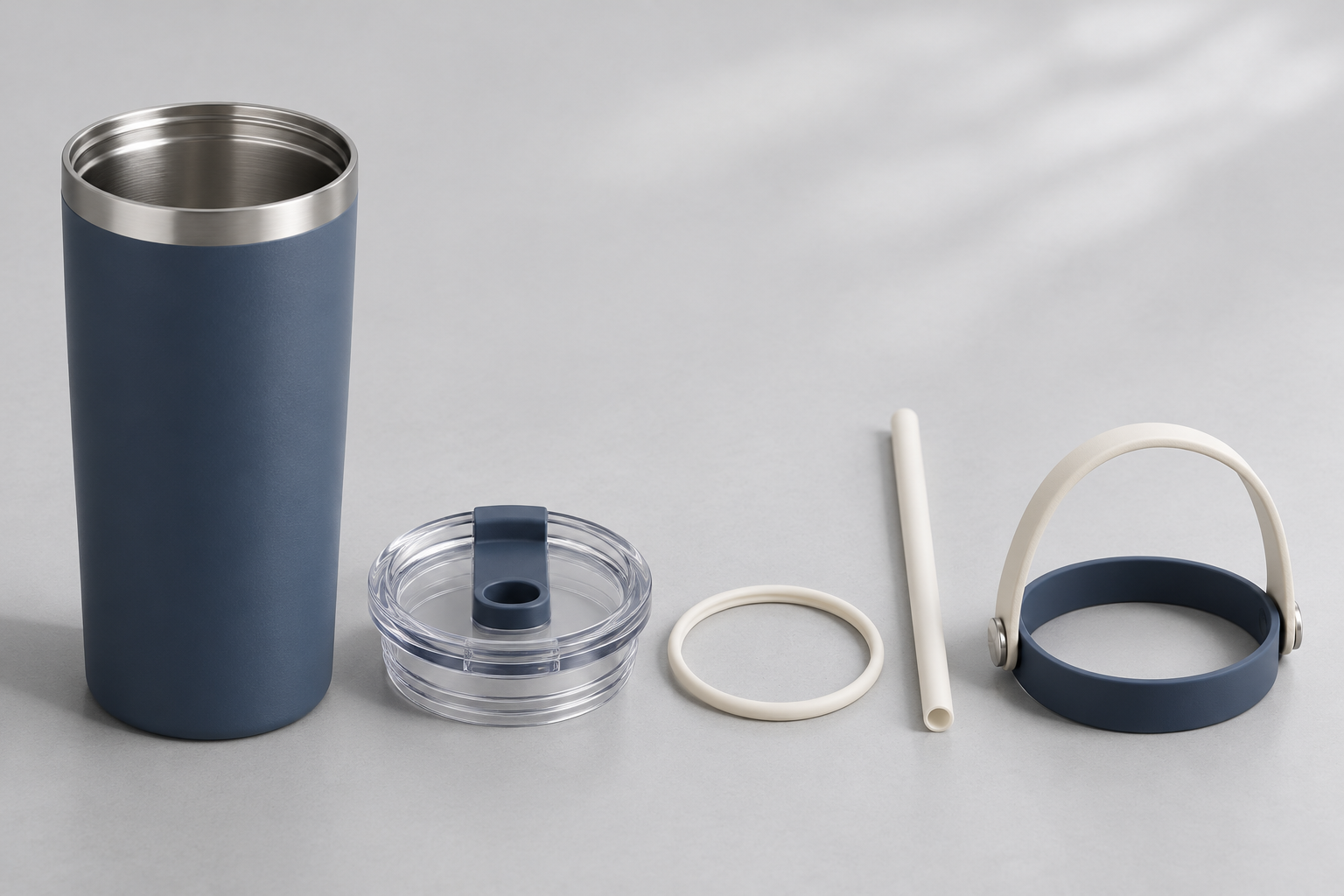
A lid change can affect fit with the body and seal. A handle or straw can affect packed size. Reviewing the assembled version helps you see what a seemingly small customization means for the item you receive.
If the body already works for your range, a component discussion can focus on the feature you want to improve. Compatibility still needs checking: appearance alone does not establish that two parts can be exchanged.
- Name each part and its revision
- Mark the interfaces that have to fit
- Include any separate spare-part requirement
What should the quote identify?
| Part of the order | Details worth writing down | Reference to keep |
|---|---|---|
| Body | Capacity basis, dimensions, construction and material | Product drawing or specification revision |
| Lid & accessories | Opening, seal, straw, handle and included parts | Assembly sample and component list |
| Finish & artwork | Colors, texture, gloss, logo size and placement | Physical color reference and approved artwork |
| Packing | Unit box, inserts, accessories, labels and carton quantities | Packed sample and final packing files |
| Checks & documents | The agreed inspections, methods and requested records | Inspection plan and document list |
DECORATION
Will the finish match your collection?
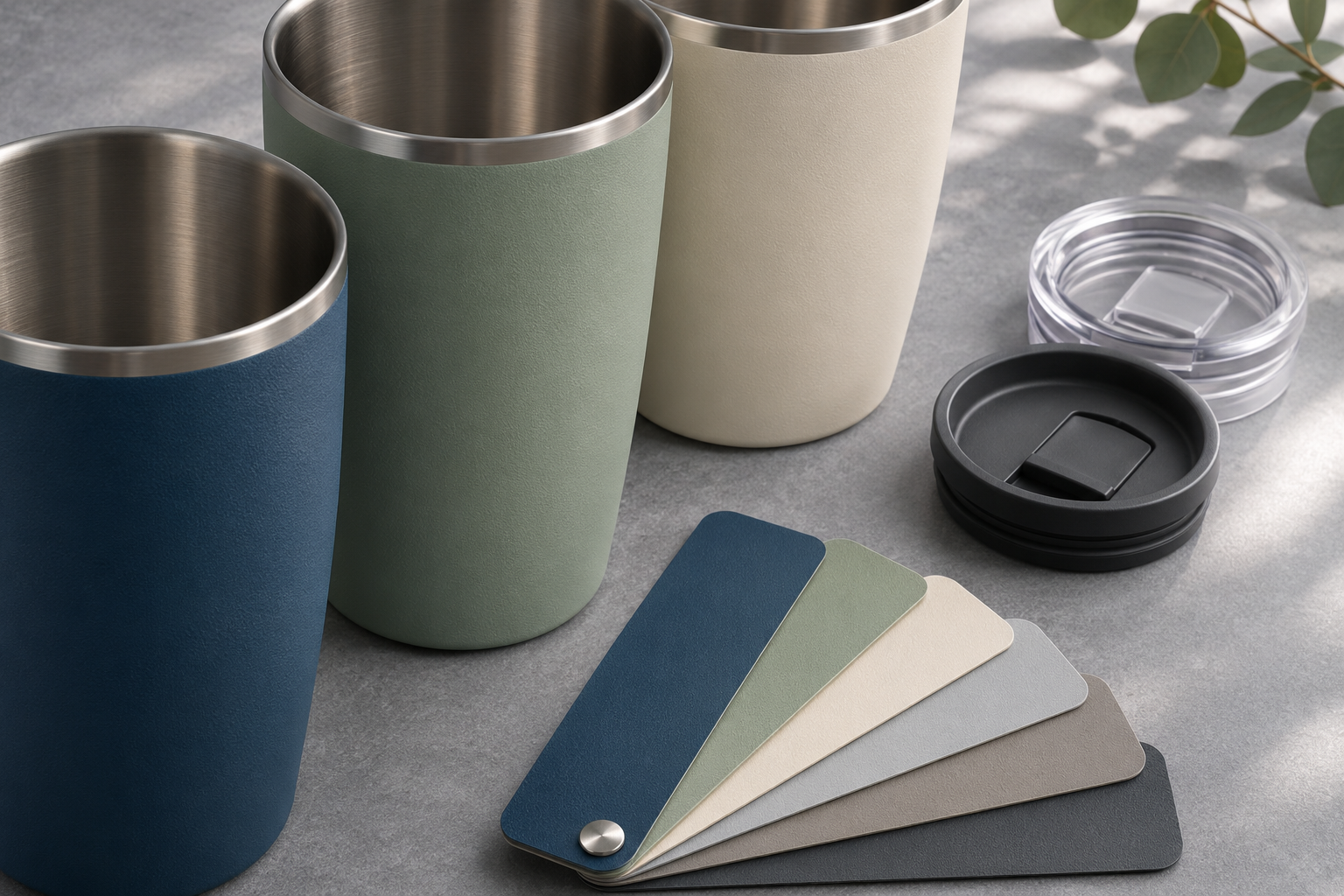
A swatch or existing product gives you a physical basis for the color and finish. You can judge whether the body, lid and accessories work together instead of relying only on words such as matte, satin or dark blue.
For your logo, the size and position matter as much as the file. The decorated sample shows the actual placement, while a quantity by artwork version makes the quoted split easier to understand.
- Color reference and surface texture
- Artwork file and placement dimensions
- Quantity for each finished version
What you should know before committing
You need a suitable product, a sample you can judge, a clear quotation and a reference you can use for the next order.
01
A product that suits your buyer
The use, size and lid should suit the people buying or receiving the item. An existing model may be enough; a new part or shape needs a development discussion.
02
Your branding on a real sample
A sample lets you judge handling, opening, color and artwork together. It also makes the remaining changes visible before the order moves further.
03
A price with a clear scope
Your quote should identify the product, variants, decoration and packing, plus any separate sample, tooling, testing or shipping charges.
04
A starting point for reorders
The item code, approved sample and final files give your next order a known starting point. Any change can then be reviewed against the version you already accepted.
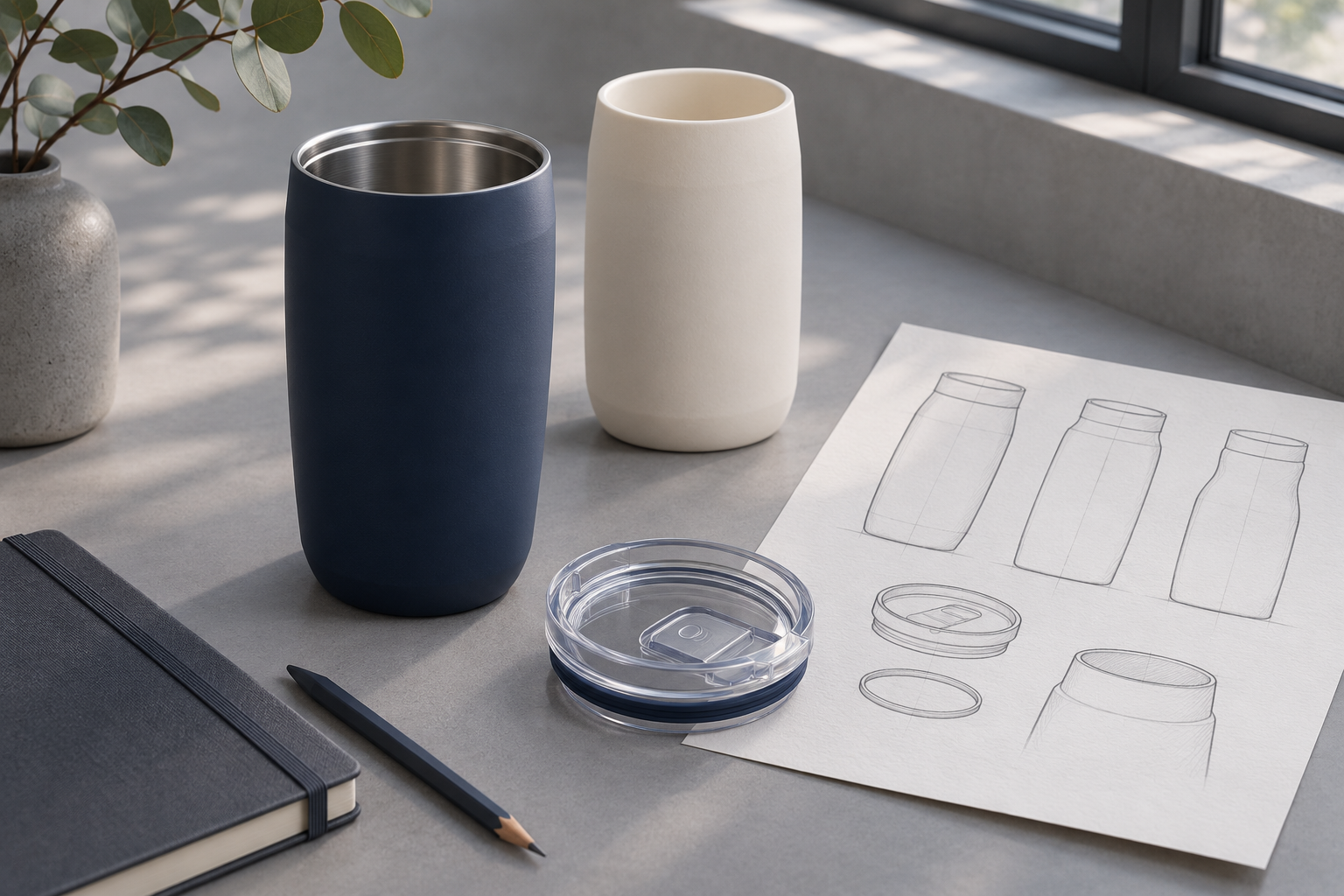
SAMPLE REVIEW
What decision can you make from the sample?
The most useful sample answers the decision in front of you. An existing model can help you choose the format; a decorated sample shows branding; a prototype can explore a new component or interface.
A clear approval record protects the decisions your team has already made. It separates accepted details from the changes you are still expecting, so a later sample or production review has a usable comparison.
- Sample purpose and identifier
- Comments tied to a part or visible detail
- Approved files and outstanding changes
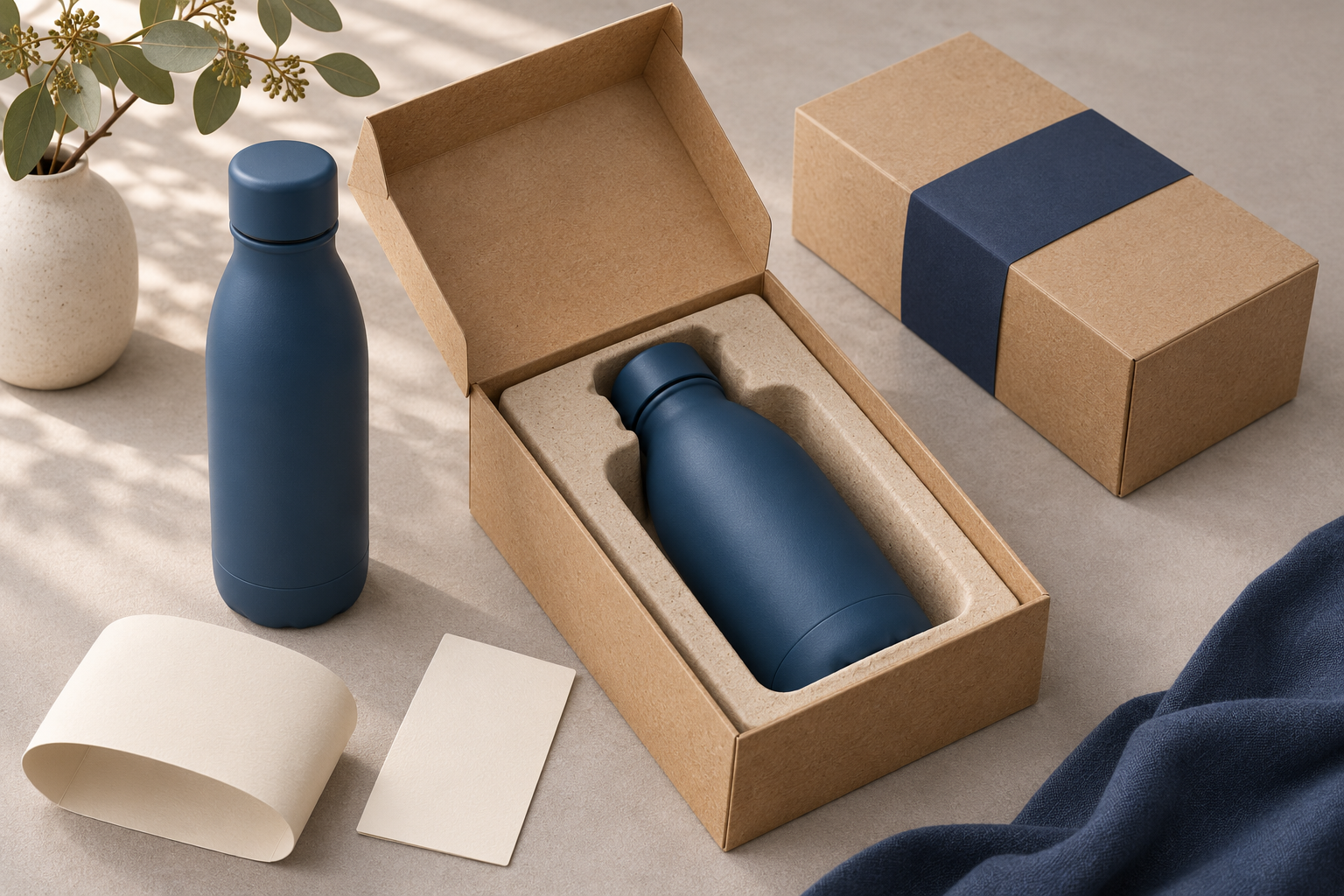
PACKING & HANDOVER
Is it ready for your next handling step?
The packed unit should include the accessories, inserts and cards your customer or warehouse expects. A complete sample shows whether the presentation and fit work for your selling or distribution route.
Carton quantities, item codes and labels help your team receive and identify stock. Final dimensions and weights also make the transport estimate more meaningful for the configuration you are actually buying.
- Complete packed sample
- Carton plan and label files
- Destination and receiving instructions
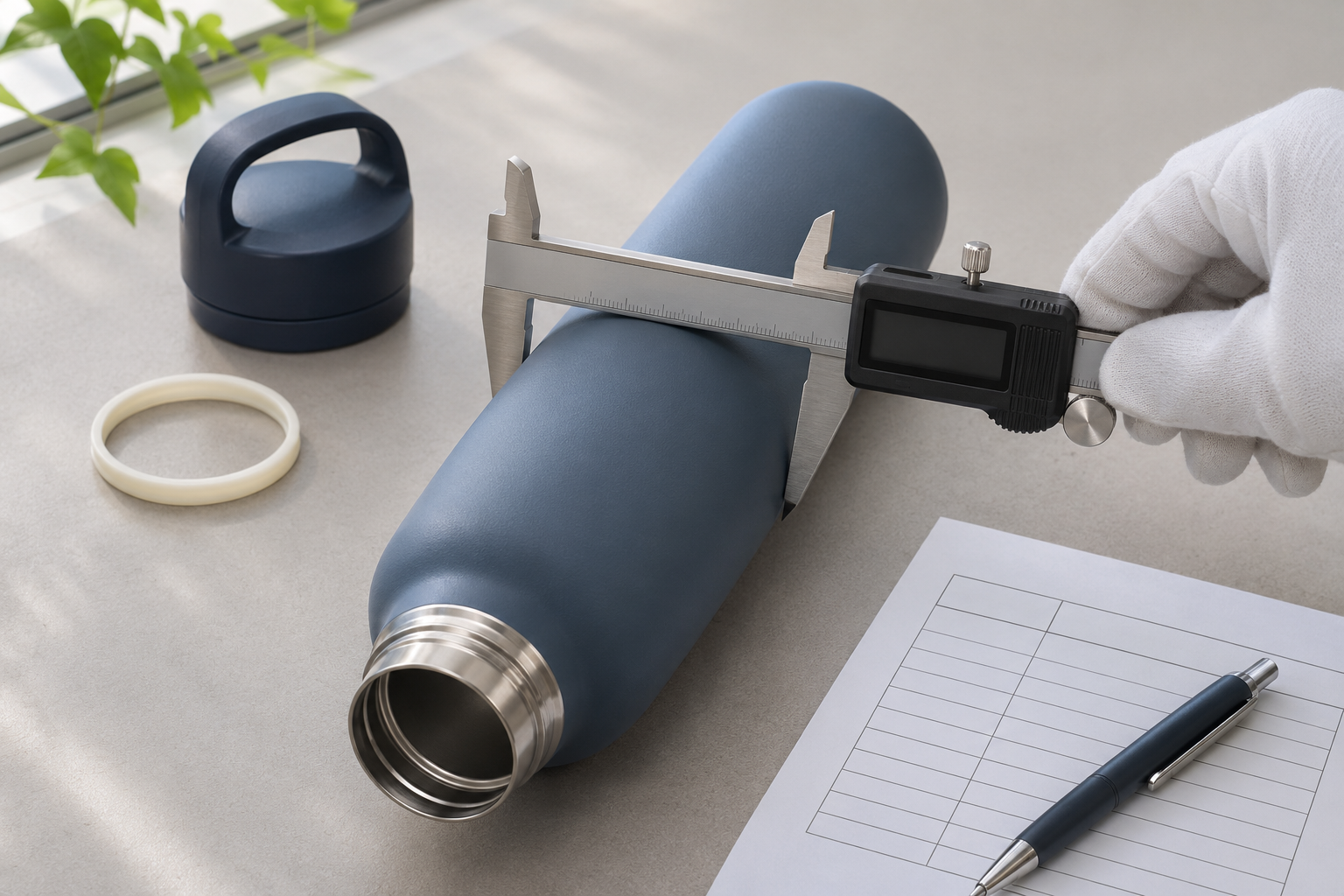
QUALITY REVIEW
How will you judge the finished order?
Your accepted sample and final files should describe the same order. When the inspection criteria point to those references, your team can see how appearance, fit and packing will be judged.
If a concern appears, the item code, affected quantity and observed condition help make the discussion specific. Photos and inspection findings are easier to assess when they are linked to the agreed product and requirement.
- Current sample and specification
- Agreed inspection scope
- Findings linked to item and quantity
Which situation is closer to your order?
Illustrative examples of enquiry scope, not completed customer projects.
A branded retail range
An existing body and lid, two colors, one logo and a retail box. The main decisions are color matching, artwork placement, quantity by variant and the finished presentation. A decorated and packed sample helps settle those details.
A new lid on an existing body
A buyer likes the body but wants a different opening. The discussion now includes component fit, sealing, drawings, tooling and sample stages, as well as the effect on packing and supporting documents.
Know what you are paying for.
The lowest unit price is useful only when the product and included work are comparable. These details help you see what is included, what changes the cost and what still needs a decision.
| Your buying decision | What a useful quotation should cover |
|---|---|
| Is this the product I expect? | The named body, lid, material and features, with requested changes separated from the reference model. |
| Does the quantity plan work? | The total and each variant quantity, with any separate minimums for colors, decoration or printed packing. |
| Is my branding included? | Color and finish, logo size and position, artwork versions and the sample used to approve the result. |
| Will it be ready for my channel? | The unit box or gift set, included accessories, inserts, carton configuration and receiving labels. |
| Does the schedule fit my launch? | The destination and arrival window, with sampling, approvals, production and transport shown as separate stages. |
| Which documents are covered? | The intended market and agreed document list, including separately quoted testing or other supporting work. |
Compare the complete cost
Two prices may describe different lids, finishes, packing or shipping arrangements. A like-for-like scope and separate one-off charges make the difference easier to understand.
Check the arrival plan
Your launch depends on goods arriving, not simply leaving production. The schedule should show approval dates, production and transport assumptions, so you can see where a late decision affects the plan.
Different constructions need different production controls
A steel bottle, a plastic straw cup, a decorated blank and a speaker tumbler do not share one complete production route. Identify the actual body, components and outsourced work before discussing the order plan. Production controls should follow the product’s interfaces and accepted requirements.
| Construction or stage | Buyer-visible control | Useful record |
|---|---|---|
| Metal bodies and insulated assemblies | Named construction, relevant material identity, dimensions and the actual insulation basis. | Body reference, acceptance requirements and agreed checks. |
| Lids, seals, straws and handles | Part identity, fit, assembly, opening and cleaning. | Component and assembly revision. |
| Coating and decoration | Surface, color, artwork, accepted variation and care scope. | Decorated sample and final files. |
| Specialty mechanisms or modules | Mixing, pressing, straining, holding a device or other actual function. | Complete feature-specific sample and operating record. |
| Packing and dispatch | All components, protection, identifiers and destination requirements. | Approved pack-out and order-specific release records. |
A production plan should follow the approved item
Identify the reference used for incoming parts, assembly, appearance and final packing. A factory process list is less useful than knowing how the ordered configuration will be checked at each relevant point.
Where work is outsourced or a module is bought in, assign responsibility for specification, incoming review and change reporting. Do not assume every visible item is produced at one site.
Example: the same body supplies two different programmes
One bottle goes to an unbranded trade customer; another uses a new lid, full-color artwork and a gift box. They may share a body reference, but the latter needs additional component, decoration and packing acceptance. The production record should reflect the difference rather than copying the plain-body order.
Specific questions about this decision
Can one generic inspection plan cover all models?
Start with shared checks, then add the interfaces, features and acceptance requirements that apply to the actual item.
What matters before production release?
An identifiable configuration, approved scope, unresolved issues, component and artwork references, packing and relevant document requirements.
Continue with the next decision
Questions before you order
What is the minimum order quantity?
Your minimum quantity depends on the selected model and the changes you need. A new color, printed box or special component may have a different minimum from a logo-only version. The quotation should show those differences against your quantity plan.
Can I see a sample before ordering?
Yes, a sample can be part of the project discussion. The useful choice depends on what you need to decide: an existing model for shape and handling, a decorated sample for branding, or a packed sample for presentation. Availability, charges and shipping are confirmed for that sample.
Can you give me a firm delivery date now?
Your date needs to account for the selected product, quantity, sample work, packing and destination. A launch or event deadline should be discussed early. A confirmed schedule needs to state the approvals and other assumptions it relies on.
What if I only have a photo or a sketch?
A photo or sketch can be enough to begin discussing the product. You do not need to have every technical detail settled. The important distinction is between the features you need and the details you are willing to explore.
Can you quote before all details are finished?
An initial discussion can use assumptions, but those assumptions should be visible. Identify the model, quantities and known changes first. The final order needs an agreed configuration, sample scope and list of included work.
What should I keep after the first order?
Keep the item code, product and component revisions, approved sample, artwork, packing files and agreed inspection reference. Use them as the starting point for replenishment, with any proposed changes clearly marked.
Start with a listed product reference
Use the model reference when requesting the matching sample, specification, artwork and packing review.
- LT Vacuum Water Bottles (350 ml, 550 ml, 750 ml).
- BB Handled Straw Tumblers (30 oz, 40 oz).
- MK Insulated Handle Mugs (14 oz, 16 oz, 25 oz, 32 oz).
Find the right starting point.
Whether you are building a new range, restocking a proven item or buying for an event, you can start with a photo, sample or drawing. Your quantity, destination and deadline will help shape the options worth discussing.